

When a water stain first occurs on the ceiling, it's hardly given a second thought if it's small. Most homeowners think it will dry out and fade, and they leave it be and move on with their week. However, behind that stain there may be moisture, which slowly softens wood, invites pests, and creates problems that are much more expensive to resolve down the road.
This is the same trend for almost all areas of a home. A homeowner sees a small problem and thinks it's fine to postpone it and move on to something else. In the meantime, this neglected issue can continue to grow in the background, from a foundation crack to a few ants crawling around that indicate that a colony has already been established nearby.
Smart homeowners put an end to this trend by taking care of minor problems as soon as they occur and not when they become a crisis. Regular checks, pest control, and quick repairs of any minor damage will help to keep the workload low and therefore costs down rather than a complete overhaul.
This article will explain how proactive homeowners save on pest treatment and shed light on where the savings come from.
1. Early Pest Detection Prevents Structural Damage
Termites and rodents are among the costliest forms of home damage and are both slow-moving pests in the sense that people don't usually recognize them until they have done a lot of damage. A few spots near a baseboard or a slight dip in trim don't seem like a problem of the moment. A good pest control companys will be able to work with the homeowner to get a regular inspection of the home to discover these indicators before they can become significant structural issues.
Termites can inflict damage in the wood framing behind walls, and rodents can start to chew through wiring and insulation, which then goes on to increase and cause damage. When visible damage occurs, such as wiring or floor sag, a pest treatment may not be enough. Smart homeowners don't let this happen by having their homes inspected before damage can occur.
Early detection of pest activity prevents escalating costs to treatment plus structural repair. That alone is a major portion of long-term savings proactive homeowners experience.
2. Recurring Treatment Costs Less Than Reactive Treatment
If no actual problem is visible at the time of treatment, paying for a one-time pest treatment may appear to be the cheaper option at the time. But once pests have been in the house, they rarely leave for good, and homeowners who fail to have repeated visits tend to call for assistance again when a new pest infestation has hit. Reactive visits are usually more expensive than scheduled, as they are looking to solve a problem rather than prevent one.
Recurring plans are effective because they intercept pest activity in the early stages, before treatment requirements increase and involve a large area. Perimeter treatments that prevent pests from getting in in the first place are also beneficial for homeowners who are on a regular schedule. This consistent approach is less expensive than multiple emergency calls that occur over the course of a year.
The idea of having regular service rather than "reactive" service mirrors the idea of regular car maintenance. A small investment on a regular basis is much better than a large investment when a major issue arises.
3. Landscaping Maintenance Protects The Foundation
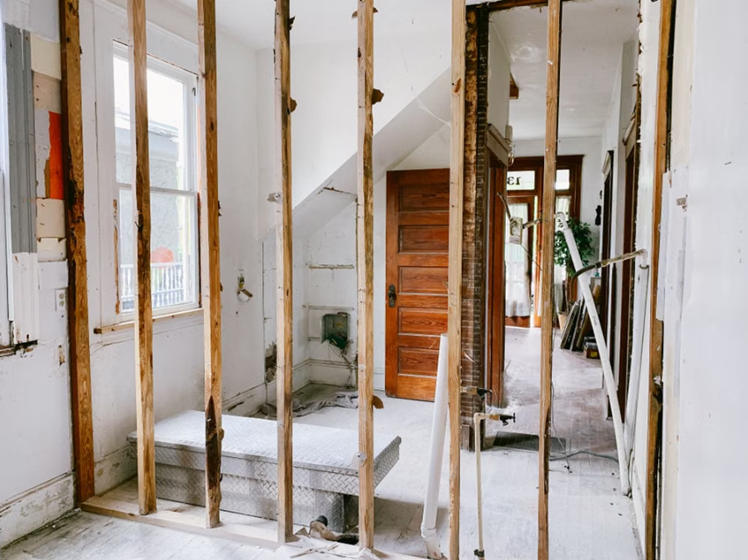
Shrubs that have let go, mulch beds that have become overgrown, and water that pools near the home's exterior provide a good environment for pests as well as for structural damage.
Proactive homeowners remove landscaping away from the foundation as well as control mulch thickness, specifically to lower this risk. Failure to do so will allow water to pool against exterior walls, softening the wood and providing a damp environment that pests like.
This danger can be particularly persistent in climates that are warm and humid, which provides a favorable environment for pests and moisture year-round. Several of these things can go wrong at once in a home with poor landscaping, including wood rot and pests around the house. When treated separately later, these conditions are much more expensive than when treated consistently from the beginning.
Maintaining the landscaping is simple to protect the pest control investment and the underlying structure. This association between yard maintenance and repair costs is not always obvious until it is a hard-learned experience.
4. Minor Repairs Stay Minor When Addressed Early
Just one small crack in a foundation wall or a lost seal around a window won't typically pose a home safety hazard by itself. These minor issues, if left unaddressed, however, grow over time, opening bigger doors for moisture, pests, and additional structural stress. These little problems are fixed by proactive homeowners before it is too late, before they can get to a more convenient time.
This will only require sealing a crack or replacing a worn seal, both relatively cheap procedures as opposed to what will occur if you allow the problem to continue unchecked. For instance, a neglected crack may be the cause of requiring foundation repair, and a worn seal left in place opens doors for pests to enter, resulting in a whole other treatment expense. This is one of the cascading costs that can be avoided by tackling the underlying problem and solving it early.
Here, it is not a single repair but consistency that is more important. Those small problems that are addressed right away by homeowners are seldom the cause of larger problems that are an amalgamation of the small issues.
5. Consistent Maintenance Reduces Emergency Costs
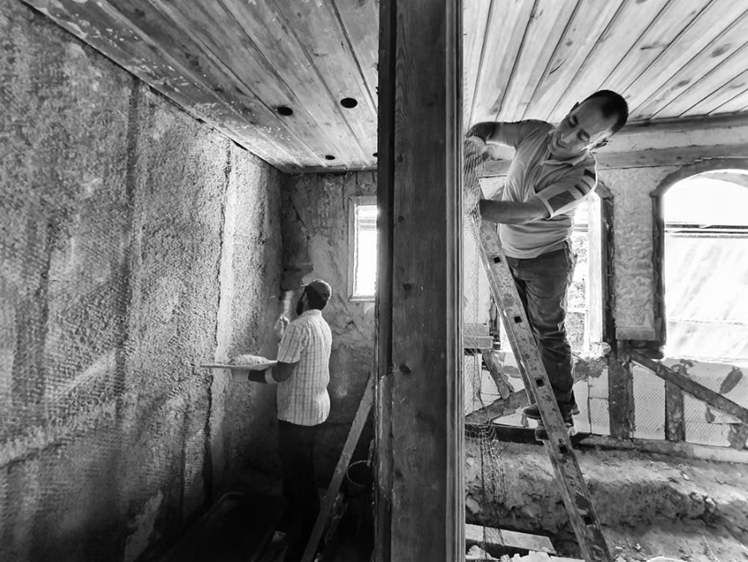
Whether it's pests or plumbing or the wear and tear of the structure, emergency repairs will almost always be more costly than planned maintenance. Emergency service is usually rushed and has limited options, and prices are dictated by the urgency of the situation instead of a planned and competitive fee. If you are a proactive homeowner, you will not have to pay this premium, since you will be able to anticipate problems and take care of them before they occur.
Moreover, a regular maintenance schedule ensures that minor problems are identified during the maintenance visits and are not allowed to become standalone emergencies, resulting in additional service calls. This consistent pace helps to ensure that a home's overall condition is predictable, and so are repair costs. By doing this, homeowners are less likely to encounter the sort of costly and unexpected repair that reactive homeowners dread.
The difference between proactive and reactive spending adds up over the years. Small investments made regularly beat the price of a crisis approach.
The Long-Term Payoff Of Staying Ahead
Each of these points has a similar theme — that small, regular action is less costly than big, dragged-out action.
Early pest detection, frequent treatment, landscaping maintenance, timely minor repairs, and regular maintenance all contribute to a home's expenses being predictable and not sudden and devastating.
Proactive homeowners spend less over time, not because they don't have any problems, but because they detect and resolve problems when they're small, controllable, and cheap to fix.